CHAI Events
Edinburgh Science Festival: Sick Day Detectives
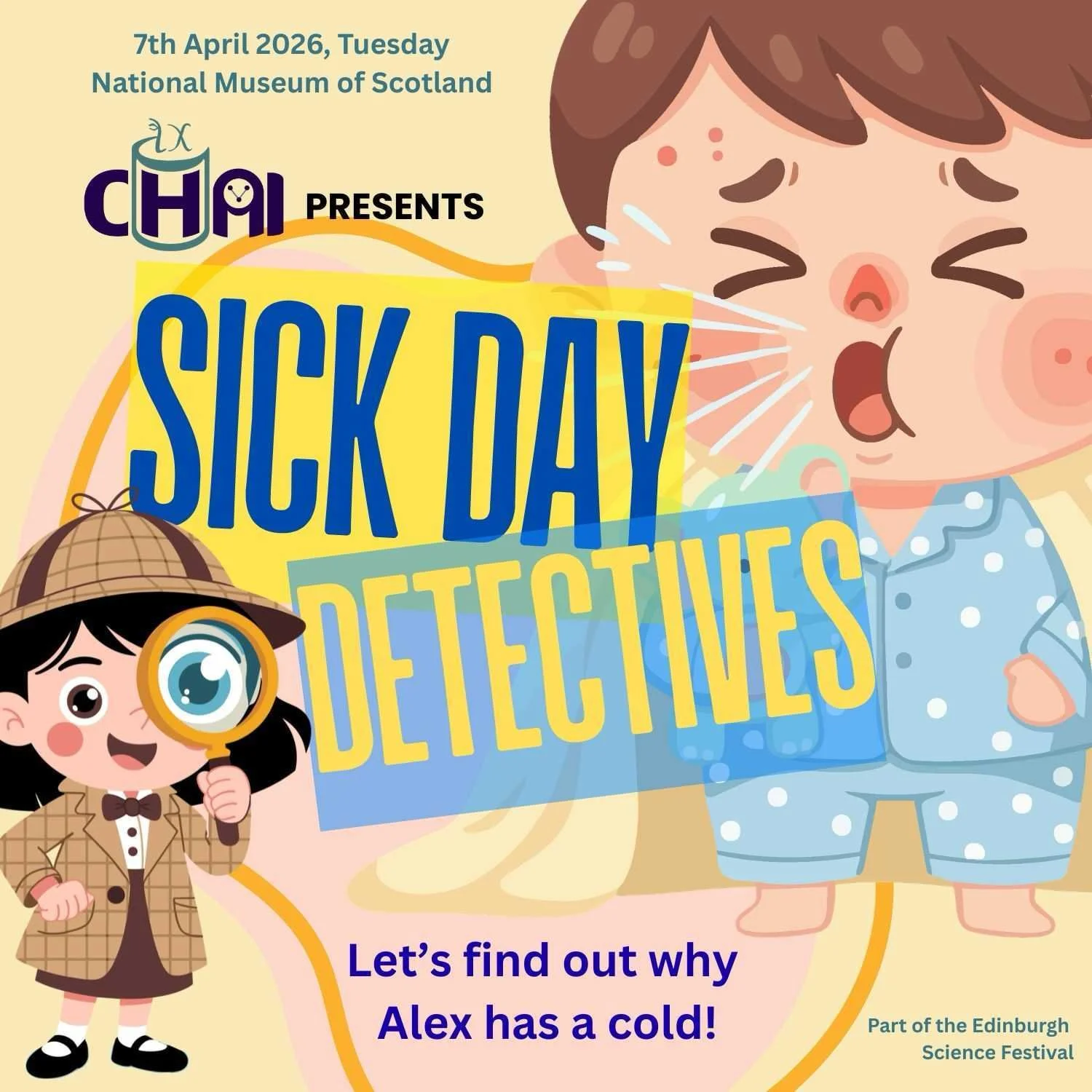
Our first CHAI public engagement event, Sick Day Detectives, was a lively and exciting addition to the Edinburgh Science Festival on 7 April 2026 at the National Museum of Scotland.
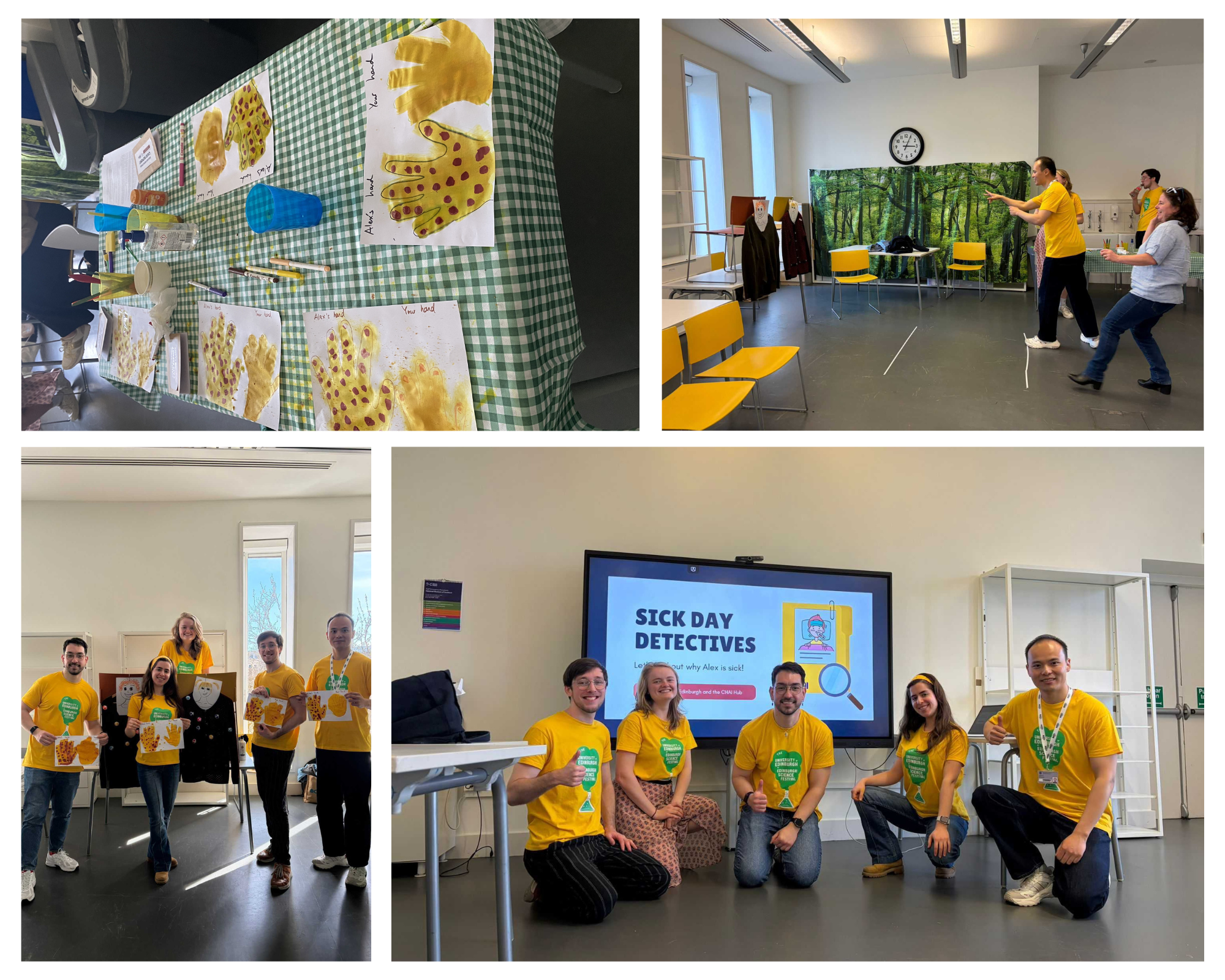
Organised by Kurt Butler and delivered with help from Zhihua Liu, Rosanna Culver, Analia Cabello Cano and Ilias Stoganidis, the event taught causal reasoning through storytelling and play to a group of 48 participants, ages 7 and up, from the Edinburgh area. In this story, our friend Alex is sick with a cold, and it was up to our team of “sick day detectives” to figure out what caused it.
Throughout the event, participants explored four activity stations to investigate why Alex is sick. In one activity, we used Velcro balls and jumpers to explore how social distancing affects the spread of germs. In another activity, we used invisible ink (baking soda) and a revealing solution (turmeric) to explore how germs can be detected, even if they are invisible to the naked eye. By working each activity, participants engaged with each potential cause of Alex’s sickness, concluding with the realisation that the underlying cause was always germs.
Overall, the event was a great success. Feedback from both the delivery team and from participants (and their parents) was overwhelmingly positive. Some participants remarked that they learned something new, and others felt that the activity stations are very fun and interesting. We would like to thank Edinburgh Science and the National Museum of Scotland for helping to organise and host our event within the festival, and we look forward to running more public engagement events in the future.
Events funded by our Events Call
Causal AI and its uses in Public Health
On 25th March, a CHAI funded workshop took place at the University of Cambridge.
Hear from the awardees:
"CHAI’s support gave us the opportunity to bring together researchers from different disciplines – including AI and data science, and public health – alongside public health practitioners for a focused workshop on causal AI and its uses in public health. The event was extremely valuable in helping to build a shared understanding of causal AI and to explore where it might help to address real-world public health challenges.
By bringing together people from different sectors and disciplines, it also created space for productive discussion, new connections and early collaboration opportunities. We look forward to taking these conversations forward and building on the exciting links and ideas that emerged from the workshop.
Thank you again to all at CHAI, if there are any further collaborative funds to move some of the ideas forward, we would of course be interested."
Reflections from event organisers Danielle Cannon & Becky Wolf
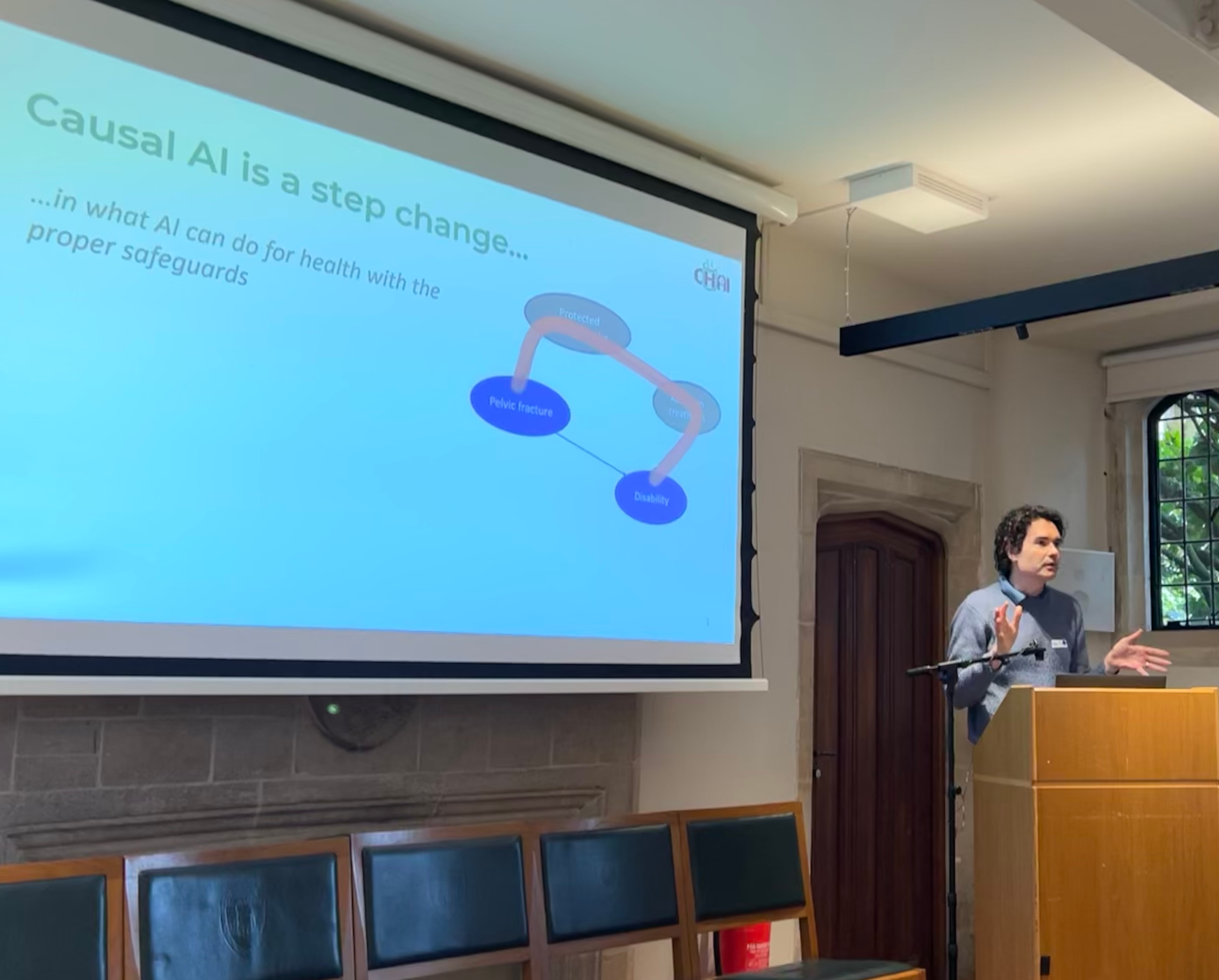
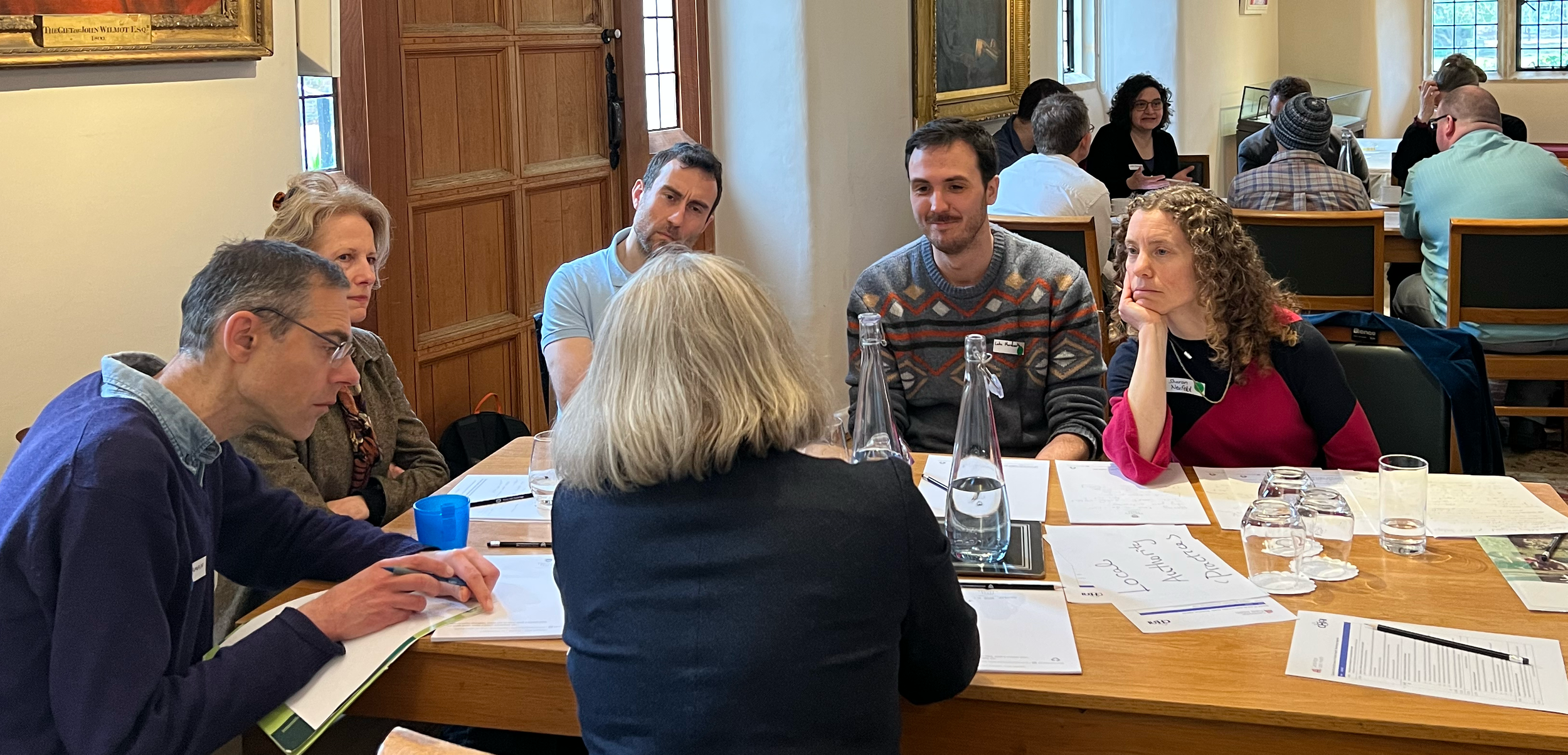
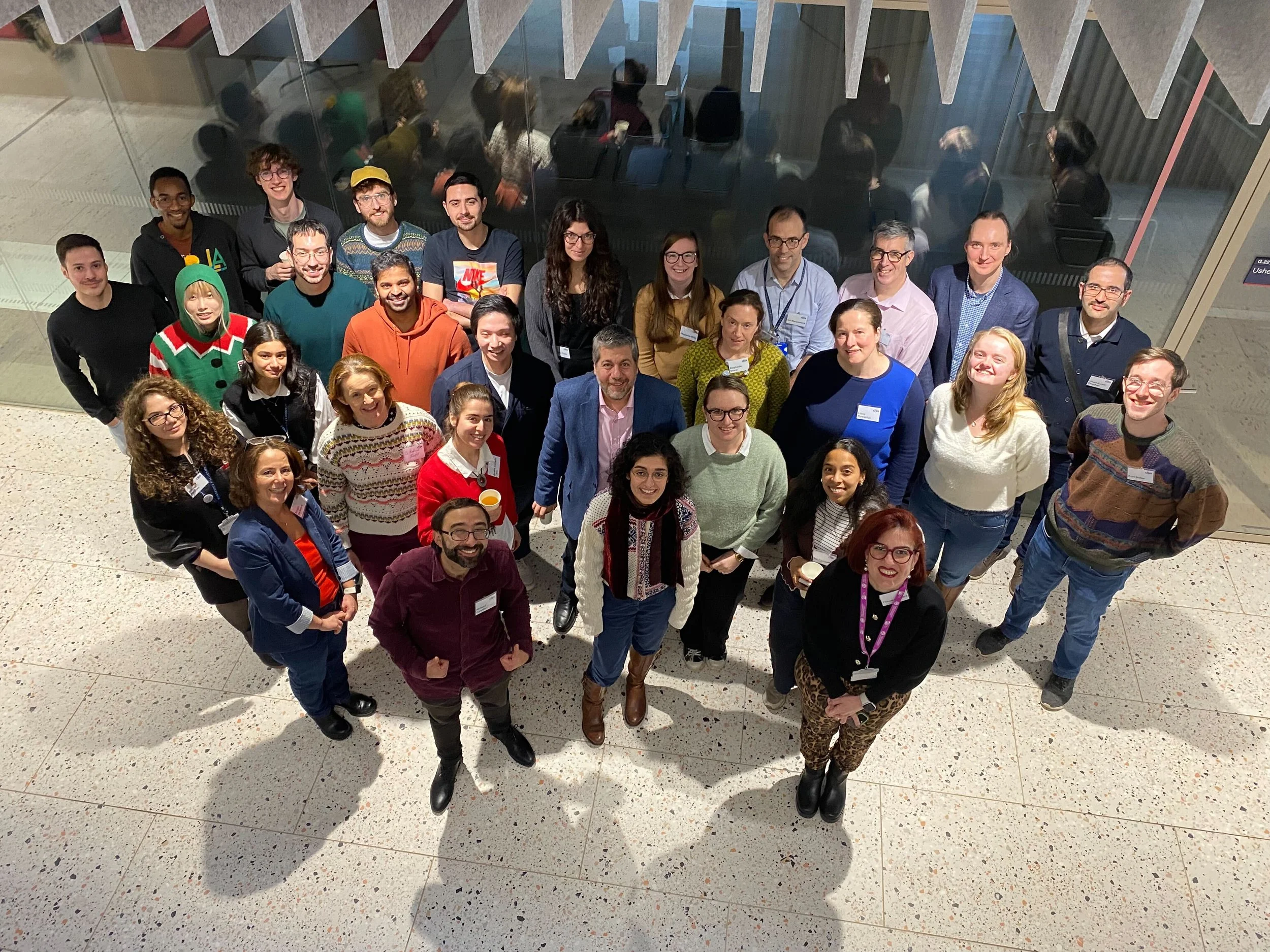
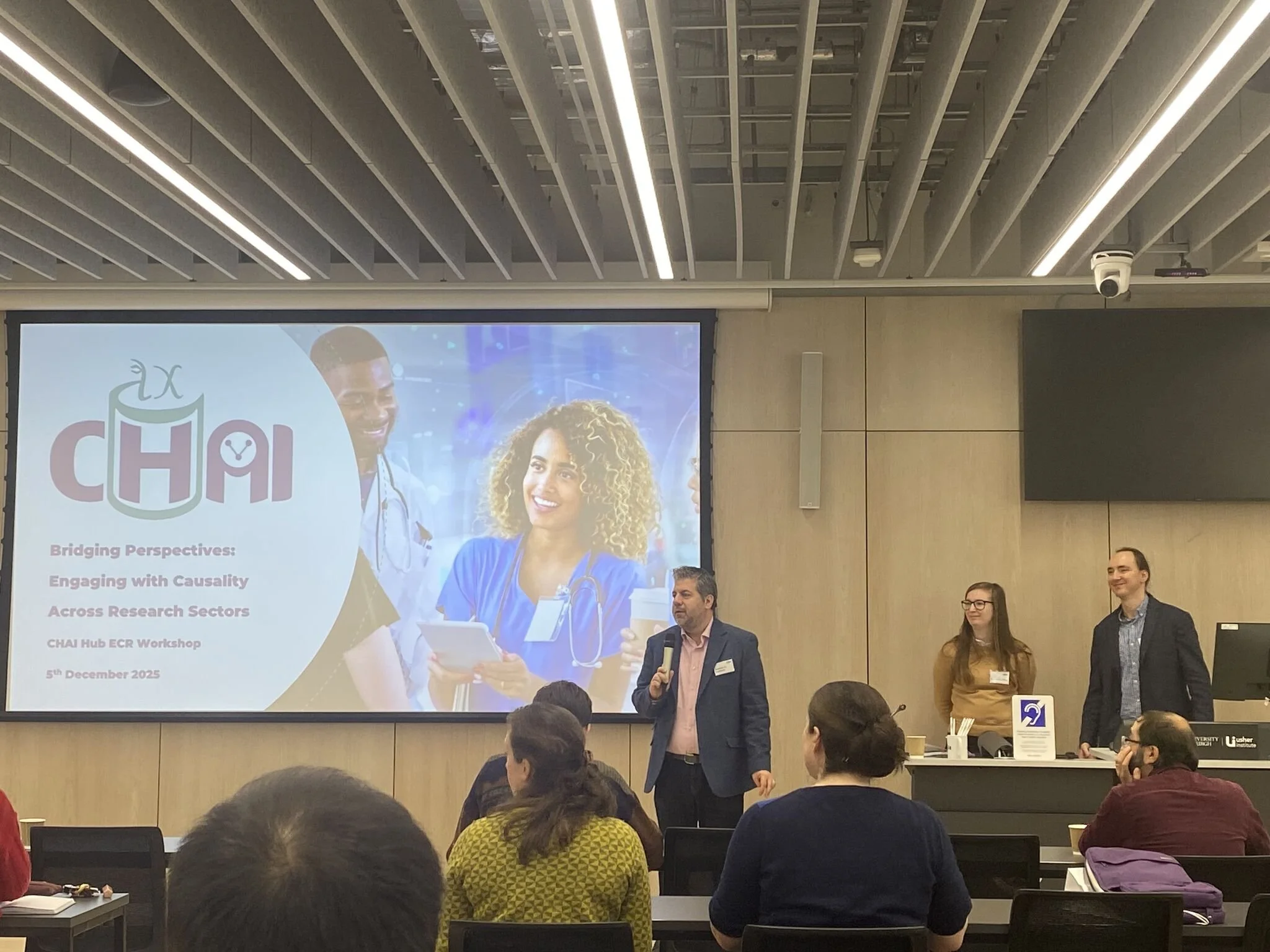
Bridging Perspectives: A Recap of the CHAI Hub ECR Workshop
On 5th December 2025, our Early Career Researchers (ECRs) successfully hosted the CHAI Hub ECR Workshop titled "Bridging Perspectives: Engaging with Causality Across Research Sectors" in the Usher Building, Edinburgh. The event brought together a diverse group of researchers to explore the complex role of causality in science, medicine and industry. We were joined by expert speakers Dr Ava Khamseh (The University of Edinburgh, CHAI Co-I), Dr Kathryn Banfill (The Christie NHS Foundation Trust), and Dr Antony Smith (LifeArc), who delivered fascinating insights into integrating biology across scales, the "spidey sense" required in clinical decision-making, and the role of causality in understanding potential reasons behind success and failure in medical device development.
Beyond the technical presentations, the day was designed to foster connection and professional growth for ECRs. The agenda featured Keynote Q&A and a Career Advice Roundtable, where our speakers shared their personal career stories and guidance. Both sessions stimulated inspiring and engaging conversations! Participants also broke out into groups for a Community Discussion, tackling vital issues arising from cross-disciplinary research, such as communication challenges, the application of causal methods in different fields, and current gaps in ECR training to effectively work is such diverse environments.
The workshop concluded with a summary of our group discussions and the announcement of the Best Poster Award, which was selected based on our keynote speakers' assessment (it was a tough call!). We are incredibly grateful to our active participants and speakers for driving such inspiring conversations throughout the sessions. To keep the momentum going, we invite everyone to join future CHAI Hub activities and connect with our growing community via our LinkedIn group - please do join and invite others!
Reflections provided by Damian Machlanski, CHAI PDRA
The Workshop on Causal AI in Healthcare Policy & Practice
“We would also like to express our heartfelt thanks to the CHAI Hub for their generous sponsorship and invaluable support, which made this event possible. Overall, the workshop was a resounding success, providing valuable insights, inspiring new directions for research, and reinforcing our collective commitment to advancing the role of causal AI in healthcare policy and practice.”
This workshop was held on 6 October 2025 at St Luke’s Chapel, Radcliffe Observatory Quarter, Oxford, was an exceptional and inspiring event. Organised by Catia Nicodemo, Aziz Sheikh, and Cristina Tealdi, it brought together leading academics, researchers, and practitioners to explore innovative ways of applying causal artificial intelligence to contemporary healthcare challenges.
Throughout the day, participants engaged with pioneering ideas — from Bayesian approaches to causal inference and the integration of digital technologies in care, to discussions surrounding the regulation, evaluation, and implementation of AI in healthcare systems. Each presentation offered fresh perspectives on how AI can be responsibly and effectively utilised to improve patient outcomes and inform policy development.
The workshop fostered an atmosphere of collaboration and intellectual curiosity, encouraging meaningful dialogue and paving the way for future research partnerships.
We would also like to express our heartfelt thanks to the CHAI Hub for their generous sponsorship and invaluable support, which made this event possible. Overall, the workshop was a resounding success, providing valuable insights, inspiring new directions for research, and reinforcing our collective commitment to advancing the role of causal AI in healthcare policy and practice.
Reflections from Professor, Catia Nicodemo - event organiser.

Event Spotlight
CHAIfest - Tuesday, 2nd June 2026
Our inaugural took place on Tuesday, 2nd June at the Core Technology Facility, University of Manchester.
The conference brought together researchers, clinicians, industry partners and members of the public to explore the rapidly evolving role of causal AI in healthcare. Through keynotes, interactive roundtables, and a lively panel discussion, CHAIfest sparked meaningful conversations and built a collaborative community around trustworthy, clinically impactful AI.
Past Events
CHAI & CRUK-Scotland Community of Practice
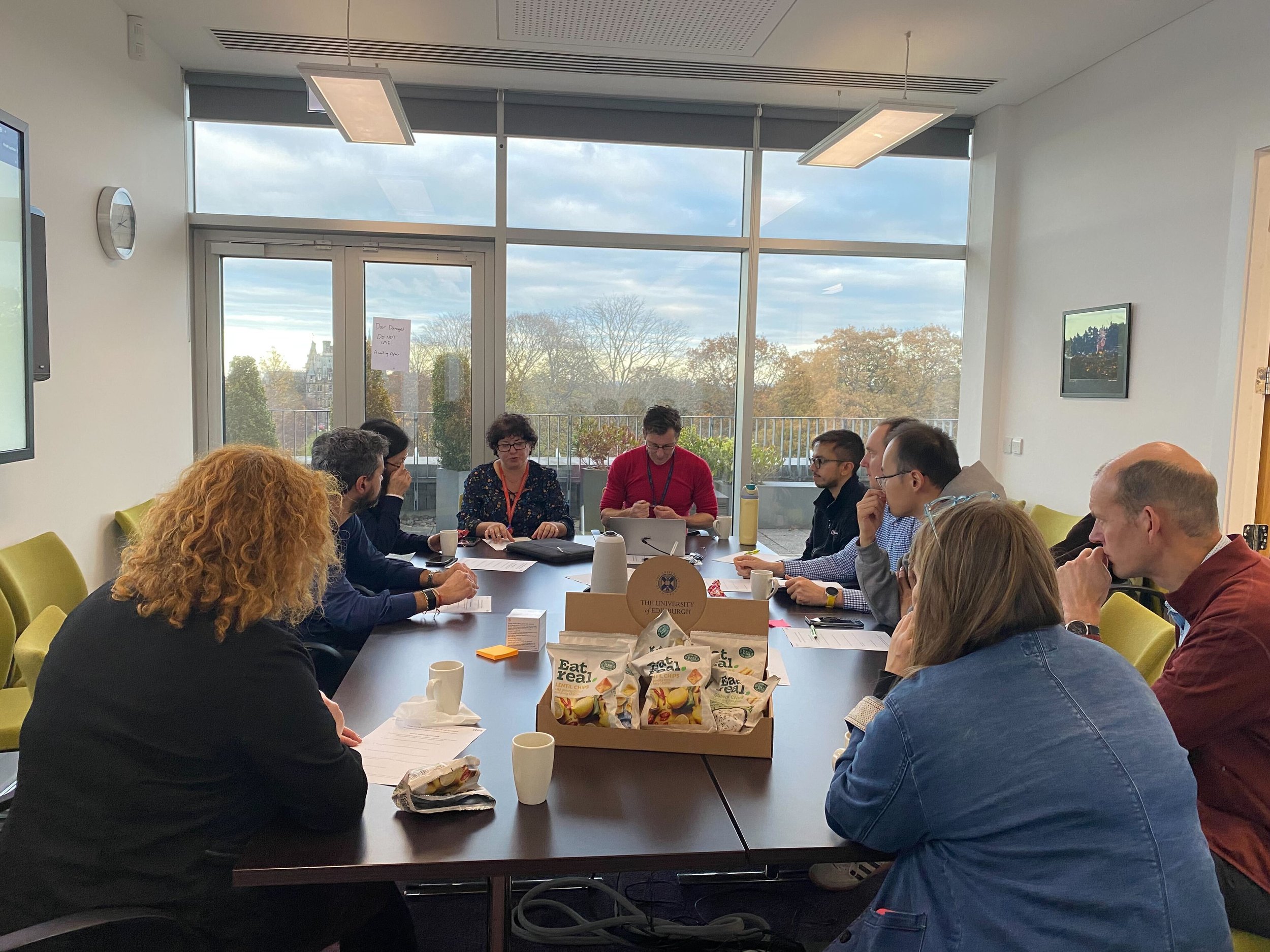
Globally, rates of colorectal cancer found in people under 50 – Early-Onset Colorectal Cancer (EO-CRC) – have been increasing for decades. Why this is the case, and what can be done to counteract it, was the motivation for the workshop held on the 7th of November at the Institute of Genetics and Cancer at the Western General Hospital in Edinburgh. The workshop was jointly organised by Cancer Research UK Scotland Centre (CRUK-SC) and the Causality in Healthcare AI Hub (CHAI) as part of a Community of Practice.
Colin Maclean, a data scientist from CRUK-SC, introduced the problem and the prevalence of EO-CRC among those with family history and those without, the latter comprising the majority of cases and the former featuring the steepest rise in incidence. He conveyed the complexity of the different exposures and their relationships. Hana Chockler of CHAI outlined how important it is to distinguish actual causal relationships between exposures that result in disease from mere statistical associations found in the data. Only by identifying and targeting causes can we design effective screening and prevention programmes.
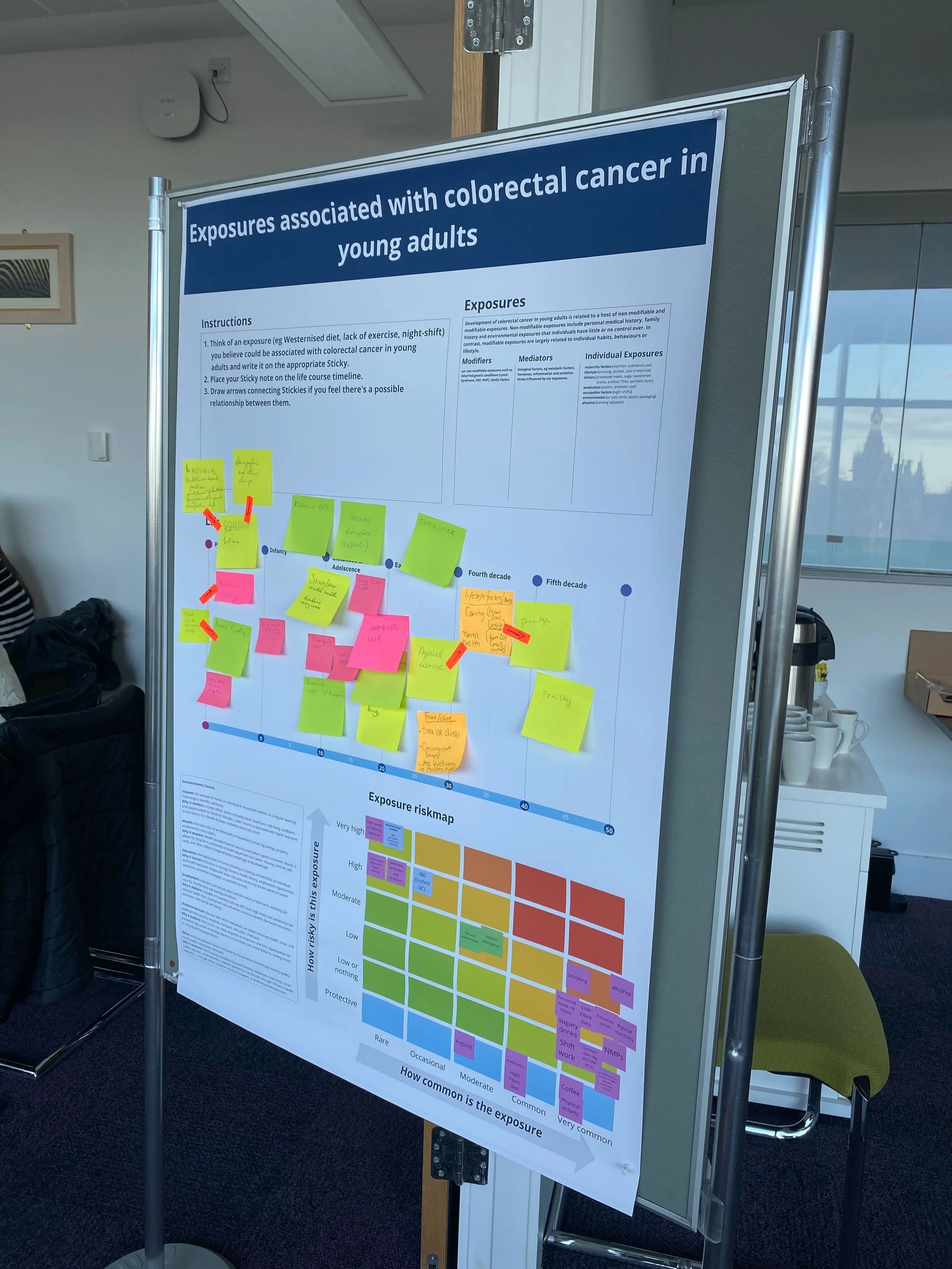
With this background, the various exposures and the relationships between them over the course of lifetimes were discussed in groups. We considered how broad or precise the data on the exposures needs to be, what data may be available to inform the analysis of potential causes, and how relevant the timing of exposures is. In the final session, we mapped out potential research projects that we may want to seek funding for. A key theme of this session was the need to bring varied insight and expertise into the early stage planning of any research programme. The next stage is to consult with patient representatives before shaping a grant application.
Reflections provided by Niccolo Tempini & James Lowe
CHAI Community of Practice: Evidence for Regulators
Reflections by Professor Matthew Sperrin, CHAI Co-Lead & CoP organiser
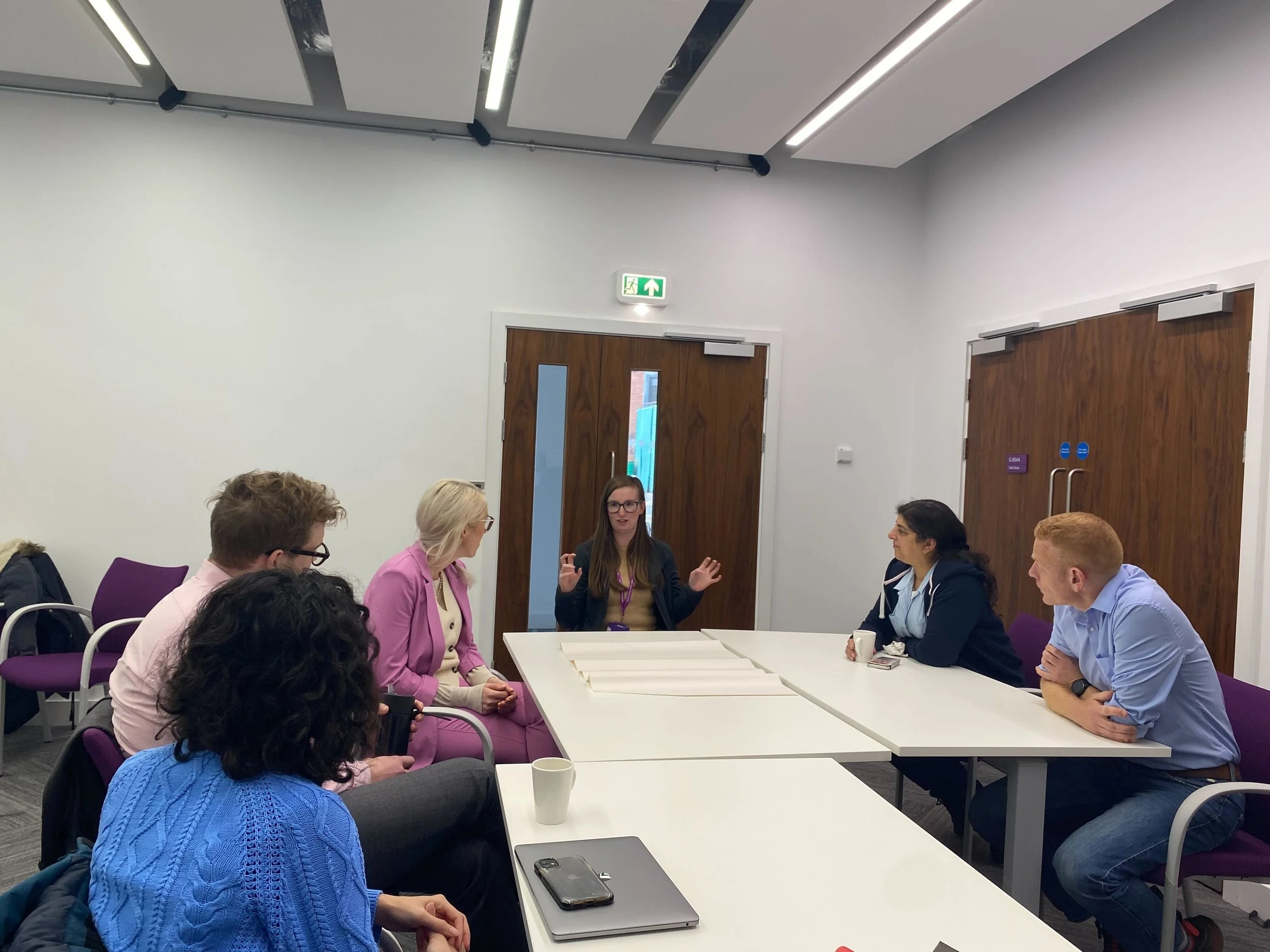
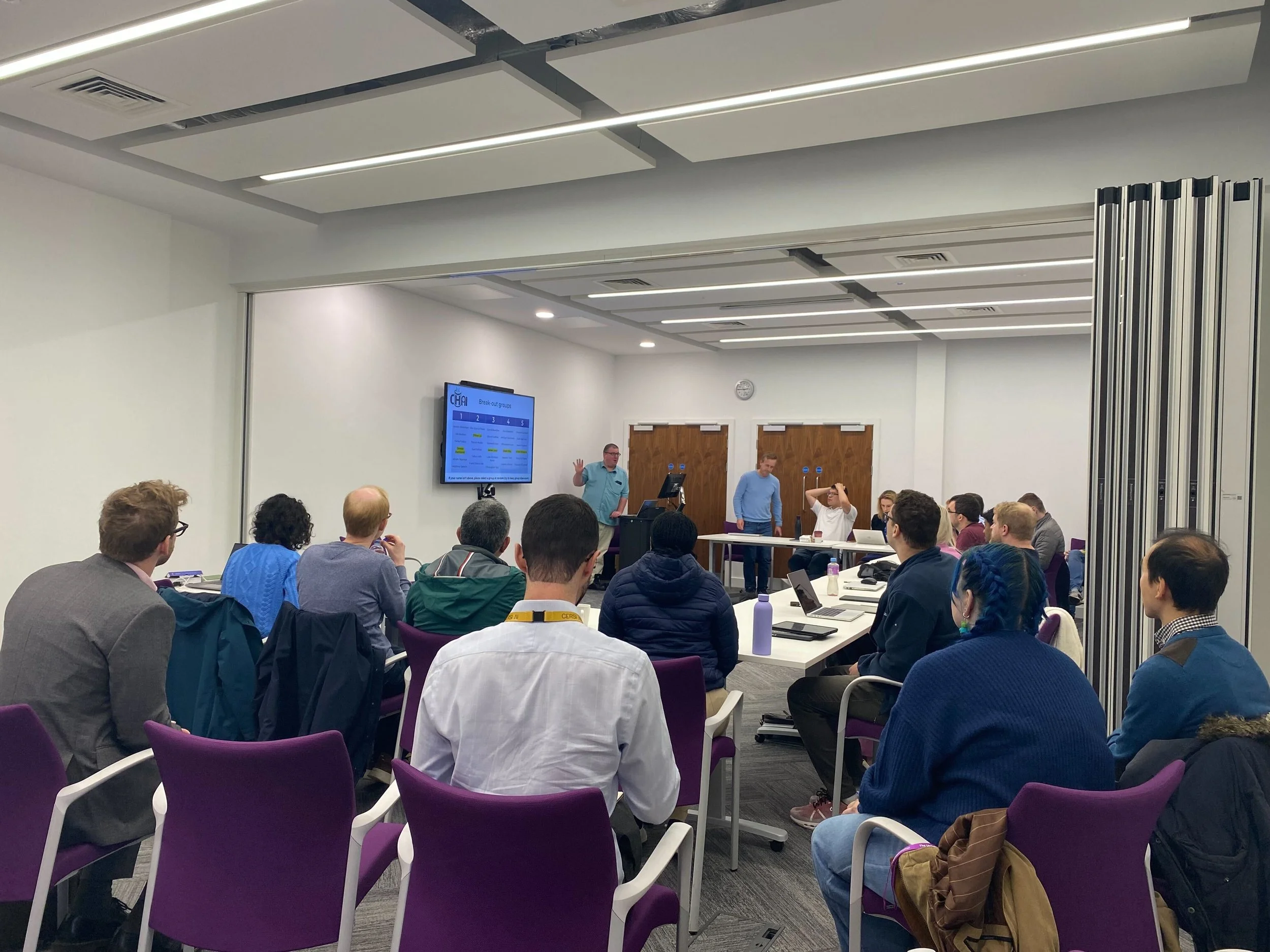
Our first in-person Community of Practice event, held in Manchester on 15 October, was a resounding success! The session brought together a diverse group of about 30 participants—including patients, clinicians, healthcare professionals, regulators, and experts in AI and statistics—to focus on the crucial topic of evidence and guidelines in groups with multiple long-term conditions (multimorbidity) and polypharmacy (people on many medications).
The first half of the session comprised a range of short talks. A highlight was Stella Finlay's moving description of the challenges faced from a patient perspective. The audience was also treated to provocative questions, such as "do we still need causal AI in the age of large language models?" posed by AI researcher Chris Yau. We gained valuable regulatory insight from Patrick Muller, who provided an overview of how NICE (the National Institute for Health and Care Excellence) incorporates real-world evidence and causal AI into their guideline development, and explained how interested researchers can connect with this process.
After a break, participants divided into breakout sessions to discuss some of the challenges in polypharmacy and multimorbidity, and how (causal) AI might be able to help. Discussions covered several topics:
How AI can help patients engage with, and co-ordinate, health professionals involved in their care.
Use of LLMs as a 'health coach' that helps to summarise the evidence about stopping or starting different medications.
Identifying subgroups where a different balance of risk and benefit of particular treatments might be appropriate.
We concluded with future plans for the group - Sohan Seth explained about opportunities in CHAI and plans to write a position paper and get together again. Overall, it was a fantastic session that generated a rich exchange of interesting perspectives from all participants! We look forward to continuing this vital work.

UKAIRS Festival of Ideas - 8th & 9th of September 2025

Reflections on UKAIRS 2025 from Dr. Steph Riley
The inaugural UK AI Research Symposium (UKAIRS) took place at Northumbria University, Newcastle from 8th – 9th September. The two days were jam packed with a variety of talks showcasing the work being undertaken as part of UKRI funded projects and programmes.
There was a big CHAI presence at the conference, presenting our recent research across the hub.
Across the conference there was a heavy emphasis on trustworthy AI and using AI for good. Beyond the uses of AI in healthcare, it was also great to see how AI is being used to improve many aspects of society. Some of my personal highlights were using AI to detect transphobic content online and the ethical considerations when using AI in the music industry.
The main conference was followed by an early career researcher (ECR) day on 10th September, which focused on career development for ECRs. I particularly enjoyed the session on engaging with policy in AI research, which talked about how researchers can get involved in developing and improving government policies.
All in all, UKAIRS was a great experience to learn about different AI research taking place across the country. It was fantastic to bring the whole hub together and see everyone beyond the Teams screen!